
About Becky
The Pattern I Learned to See
For most of my 30-year career at Microsoft, Nike, Starbucks, and Kaiser Permanente, I was good at what I did. But I struggled with a pattern I didn't have language for: I kept looking outside myself for validation, direction, and permission.
Early in my career I helped ship Microsoft Outlook 1.0. Then one comment — that I wasn't "strategic enough" — sent me into years of second-guessing. An expensive (self-funded) grad school detour. Changed companies. Changed coasts. Always convinced the next external change would finally create internal clarity.
It never did.
The breakthrough came when I stopped asking "What's wrong with this situation?" and started asking "What am I not seeing about myself?" That shift changed everything.
That's what I help people do now.
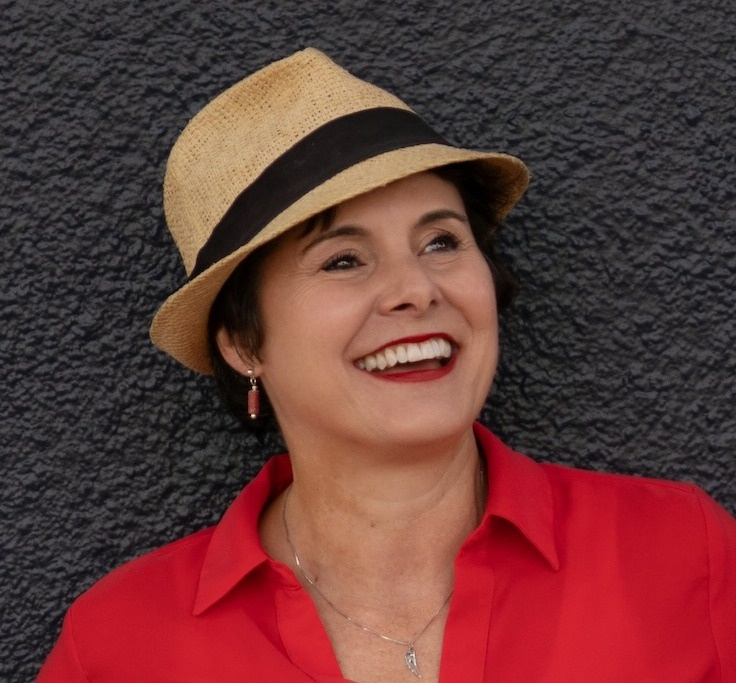

I grew up among free spirits and idealists in Vermont — I was the Alex P. Keaton of my family, minus the Republican part. That upbringing gave me a healthy disregard for the way things are supposed to be done, alongside a deep appreciation for what actually works.
I hold a PCC credential from the International Coaching Federation and trained at the Coactive Training Institute. I graduated from Tufts University (Phi Beta Kappa and Summa Cum Laude) and earned my graduate degree from Carnegie Mellon University. I serve as an adjunct executive coach at the MIT Sloan School of Business, have spoken at Tufts alumni events on leadership, self-advocacy, and career transitions, and have spent hundreds of hours coaching leaders navigating critical transitions.
But what matters more than credentials is this: I understand both sides. I know what it's like to be the leader struggling with self-doubt during a high-stakes transition. And I know what it feels like to finally trust your own judgment again.
I'm concrete, direct, and practical.
I ask the questions that help you see clearly and move forward — not vague reflection, but specific next steps that actually apply to your situation.
When you're ready to trust yourself, I'm here.
Most people skip the first part. They ask their managers what they need, their organizations what they value, their industries what's "strategic" — and wonder why they feel empty despite doing everything "right."
You can't advocate for yourself if you don't know who you are. So start by asking yourself the questions you've been avoiding: What do I actually want? Where am I abandoning myself? What am I optimizing for that doesn't serve me?
Once you have those answers, then ask the world. Be audacious. Don't let fear of rejection stop you from going after what actually matters.
That's how leaders stop second-guessing and start leading. And that's how organizations build the confident, resilient leadership they need.
My philosophy will always be: